Optimize Energy Efficiency With Roof Skylights: Spend Less While Transforming Your Home
Rooftop skylights provide a practical solution for homeowners seeking to enhance energy efficiency. By harnessing natural light, they can markedly reduce electricity costs and enhance interior comfort levels. Additionally, skylights foster a more inviting atmosphere, suiting a wide range of architectural designs. However, identifying the ideal model and ensuring proper installation are necessary for gaining the most advantages. Understanding these factors can result in well-informed choices that reshape a property's energy efficiency. What factors should property owners take into account?
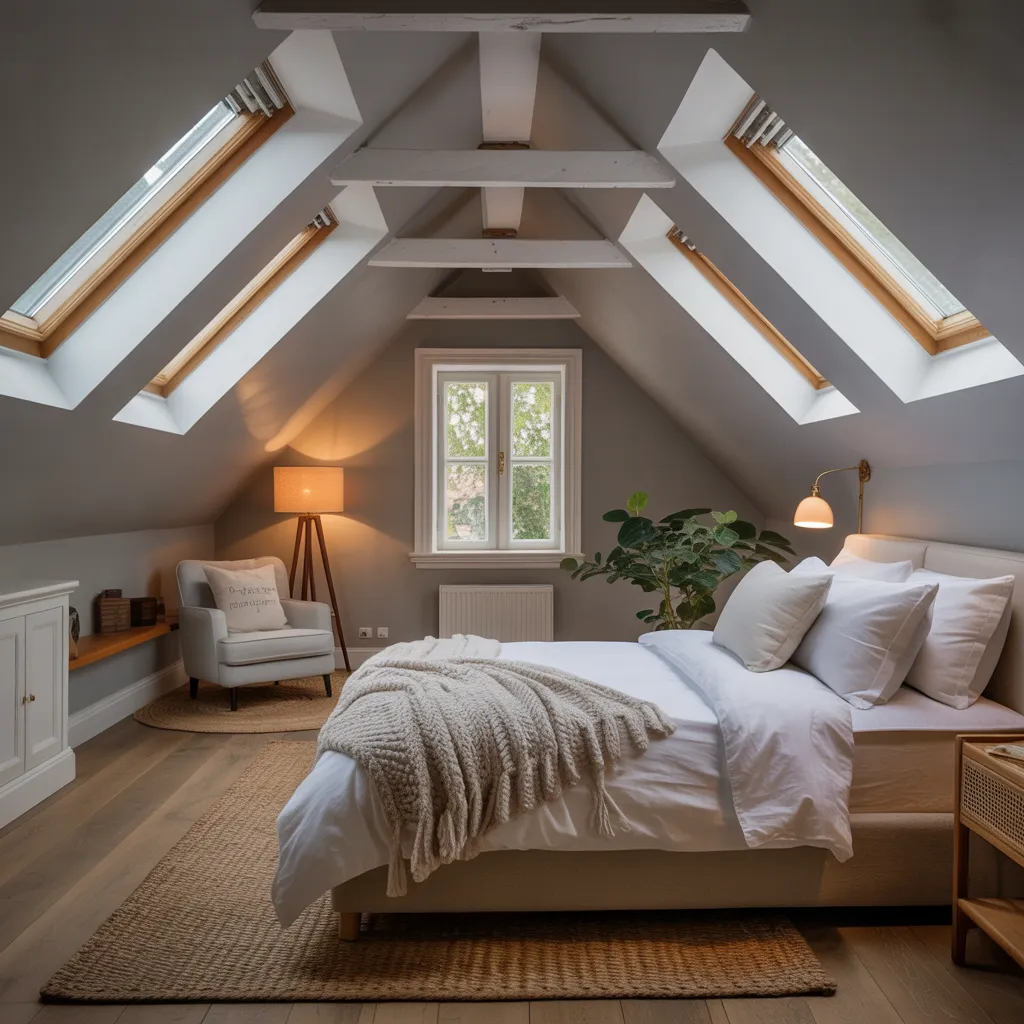
How Roof Skylights Boost Energy Efficiency and Save You Money
Roof skylights transform spaces by harnessing natural light, thereby enhancing energy efficiency. By permitting sunlight to filter deeper into a living space, skylights decrease the need for artificial lighting during daylight hours. This organic lighting not only enhances interior brightness but also leads to reduced electricity usage. Moreover, most modern skylights incorporate energy-efficient glazing that prevents heat loss in winter and controls heat gain in summer. This quality supports the maintenance of a steady indoor temperature, consequently lowering the demand for heating and cooling systems. Consequently, homeowners may notice a considerable decrease in their energy bills. Moreover, strategically placed skylights can improve ventilation, promoting airflow and reducing humidity levels, which can also lead to energy savings. In summary, the addition of roof skylights serves as a worthwhile investment in improving energy efficiency within residential properties.
Skylights: Cut Energy Bills and Boost Comfort
Skylights brighten living spaces while also reducing energy costs and improving comfort. By allowing natural light to penetrate living spaces, skylights decrease dependence on artificial lighting, resulting in decreased electricity consumption. This not only helps achieve lower energy expenses but also fosters a healthier indoor environment, as natural light has been proven to boost mood and productivity.
Moreover, skylights can improve temperature regulation when expertly installed. Contemporary designs often feature dual glazing and low-emissivity coatings, which minimize heat loss during cooler seasons and decrease heat gain during hotter periods. This balancing of internal temperatures ensures a comfortable indoor climate all year long, additionally reducing the need for climate control systems.
As homeowners place greater emphasis on energy efficiency, skylights offer a highly practical solution. By harnessing the sun's energy, skylights act as a multifaceted feature—encouraging both reduced energy costs and a more comfortable and appealing living space.
The Aesthetic Appeal of Roof Skylights
Beyond the improvements in energy efficiency, the visual charm of skylights cannot be overlooked. These structural elements revolutionize interiors by filling them with natural light, generating a warm environment that artificial lighting struggles to recreate. The play of sunlight throughout the day brings a lively character to indoor spaces, accentuating textures and hues.
Moreover, skylights can work as remarkable focal points, transforming the general design of a room. They provide open views of the sky and surrounding landscape, making spaces feel more spacious and connected to nature. Diverse designs and sizes permit homeowners to customize skylights to their specific aesthetic tastes, whether modern or traditional.
In the end, the integration of skylights not only elevates energy efficiency but also elevates the visual appeal discover more of a home, creating a more comfortable living environment.
How to Choose the Right Roof Skylights for Your Home
Identifying the most suitable roofing skylights entails familiarizing yourself with the various varieties on the market and their individual advantages. Additionally, correct installation and regular maintenance are essential for enhancing energy efficiency and lifespan. The following guide will guide property owners through these important factors.
Roof Skylight Types
Choosing the suitable kind of roof skylight can substantially elevate both the energy efficiency and aesthetics of a property. There are various skylight types to assess. Non-opening skylights, which do not open, are perfect for optimizing natural light intake without ventilation requirements. Ventilated skylights permit airflow, assisting in reducing indoor humidity and enhance air quality. Solar tube skylights are small and highly effective, funneling light from the roof to interior spaces, making them appropriate for limited areas. As for materials, glass skylights frequently offer better thermal insulation compared to plastic counterparts, while low-emissivity glazing can increase energy efficiency. Finally, picking the right type is determined by specific needs, building design, and individual energy performance targets.
Installation and Upkeep Advice
Incorporating roof skylights can substantially boost a home's natural illumination and energy savings, but careful consideration is vital for ideal results. Property owners should begin by examining the roof's construction to verify it can handle the skylight placement. Selecting the appropriate style—fixed, vented, or tubular—is determined by the preferred illumination, airflow, and visual appeal. Strategic positioning is critical; optimally, skylights should be fitted where they can harness the most sunlight without blocking sightlines or reducing privacy.
Routine maintenance is equally essential. Property owners ought to examine seals and flashing for any signs of leaks, wipe down the glass to ensure optimal clarity, and remove any buildup that might hinder light transmission. By following these guidelines, property owners can take full advantage of their skylights while ensuring lasting durability and efficiency.
How to Install Your Skylights: Key Steps and Tips
Fitting skylights demands careful consideration of location and the right tools for the task. Selecting an appropriate spot provides maximum natural light and energy efficiency, while having critical installation tools on hand streamlines the process. This guide will outline the essential steps and tips for a smooth skylight installation.
Choosing The Right Location
Where should one place skylights to maximize natural light and energy efficiency? The best placement demands careful consideration of the building's orientation and the sun's movement. South-facing skylights capture the most sunlight, making them perfect for passive heating. In contrast, skylights facing north offer consistent, soft light without excessive heat buildup, ideal for spaces that require bright light without glare. Care should be taken to avoid spots where obstructions like trees or nearby structures could block sunlight. Furthermore, installing skylights in frequently used spaces like kitchens and living rooms boosts natural lighting and elevates the overall ambiance. In addition, evaluating the roof pitch and framework ensures appropriate water drainage and lowers the likelihood of leakage. Strategic positioning choices will considerably improve energy efficiency and the general comfort of your living space.
Important Installation Tools
Preparing oneself with the proper tools is vital for a productive skylight installation. A comprehensive toolkit should include a tape measure for exact measurements, a level to guarantee proper alignment, and a utility knife for trimming roofing materials. Moreover, a drill with compatible bits is required for anchoring the skylight securely. Safety equipment, such as gloves and goggles, protects against potential hazards during installation. A caulking gun is important for applying sealant to prevent leaks, while a hammer and roofing nails guarantee a durable installation. Having a helper can also simplify the process, making it simpler to maneuver and set the skylight. With these indispensable tools, homeowners can achieve a flawless and productive skylight installation, enhancing their living spaces.
Important Maintenance Advice for Long-Lasting Skylights
Upkeeping rooftop skylights is vital for ensuring their longevity and ideal performance. Routine checks should be conducted to identify any potential issues, such as cracks or moisture intrusion in the frame and glazing. It is essential to clean the skylights a minimum of twice annually; this entails utilizing a gentle cloth and a mild cleaning solution to clear away dirt and accumulated debris, which can block natural light and diminish visual appeal.
Moreover, examining weather stripping and seals works to prevent the infiltration of air and water, ensuring overall energy performance. Homeowners should cut back any overhanging branches that may pose a risk to skylights in stormy weather. It is also important to regularly inspect and clean their gutters to stop water from building up and damaging the skylight's framework. Lastly, consulting professionals for maintenance and repair requirements can significantly increase the durability of the skylights, making sure they consistently contribute to the home's beauty and energy performance.

Common Questions and Answers
Can Skylights Boost Your Home's Resale Value
Skylights may significantly improve a home's property value by amplifying natural light, improving aesthetics, and appealing to energy-conscious buyers. Their potential to create a more inviting atmosphere frequently renders skylight-equipped homes more attractive to buyers.
Can Skylights Help Reduce Dependence on Artificial Lighting?
Skylights can considerably reduce dependence on man-made lighting by letting natural sunlight brighten interior spaces. This elevates the overall ambiance while likely decreasing energy bills, making residences more appealing and sustainable over time.
How Do Skylights Impact Indoor Temperature Variations?
Skylights are effective at moderating indoor temperature fluctuations by supplying natural light and warmth. During sunny days, they allow solar gain, while at night, they can dissipate stored heat, helping create a more consistent indoor climate.
Are There Tax Incentives for Installing Skylights?
Absolutely, financial incentives for skylight installation could be available, depending on area-specific rules and efficiency incentive programs. Homeowners are advised to research available credits or rebates that promote energy-saving home improvements, with skylight installations among them.
Can Skylights Enhance Indoor Air Quality?
Skylights can improve indoor air quality by allowing natural ventilation and minimizing the need for artificial lighting. This introduction of fresh air and sunlight helps decrease humidity and encourages a more healthful living space overall.